Skin rejuvenation

Skin boosters vs polynucleotides: what is the difference?

Skin boosters vs polynucleotides: what is the difference?

Skin boosters vs polynucleotides: what is the difference?

By Elise Bernard, Registered Nurse Prescriber

04/09/2026

7min
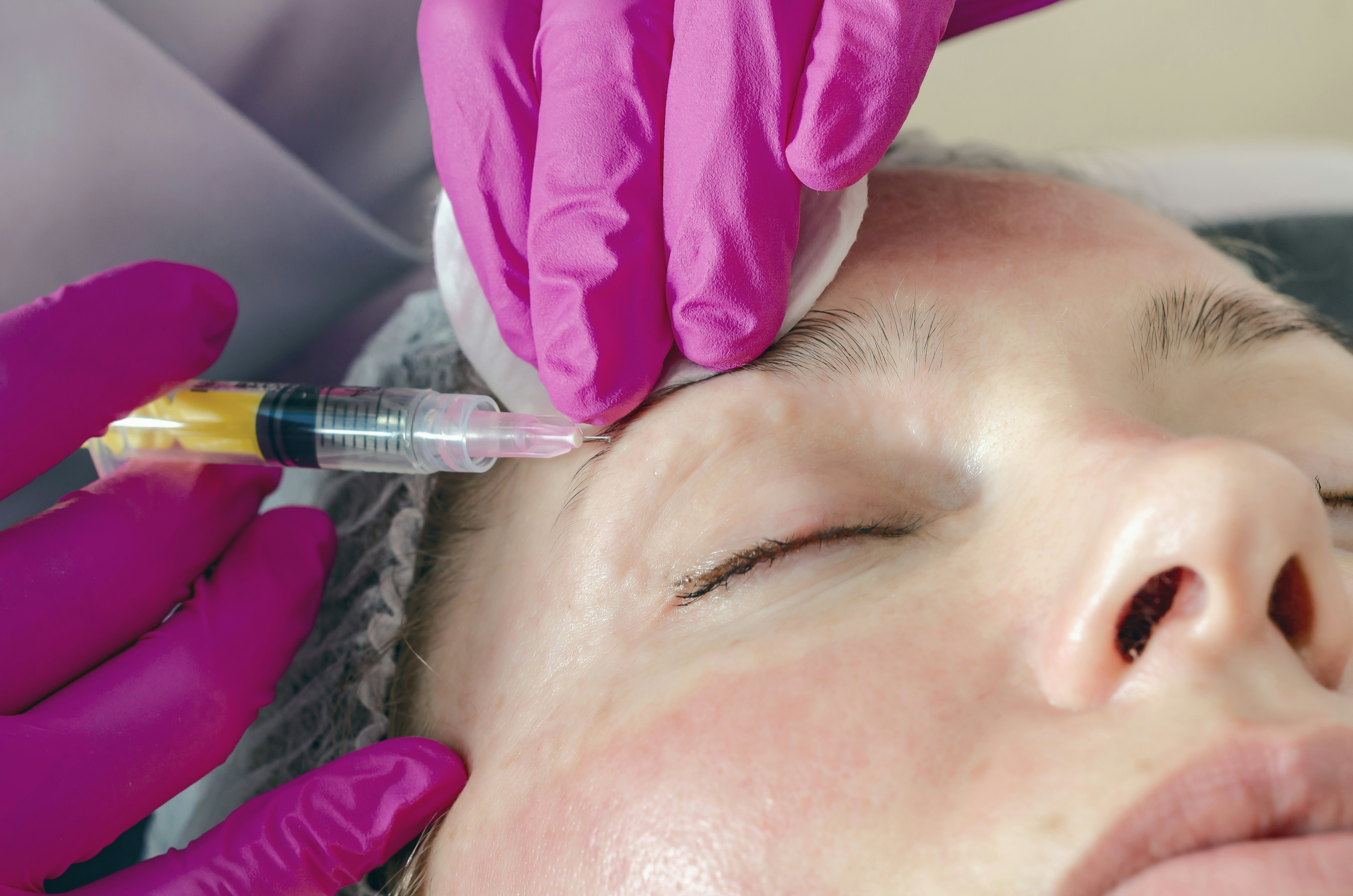
Regenerative treatment consultation

If you’re looking for better skin rather than more volume, you’ve probably come across both skin boosters and polynucleotides. They’re often marketed in very similar ways: better hydration, brighter skin, fewer fine lines, more collagen, improved elasticity and the inevitable promise of “glowing skin”. Understandably, patients often ask me: Which one is better? The answer is: it depends on what we’re trying to achieve. Although there is some overlap in the results we may see, skin boosters and polynucleotides contain different substances and work differently within the skin. Injectable hyaluronic acid has reasonably promising evidence for improvements in hydration, firmness, texture, radiance and elasticity, while the evidence for polynucleotides is emerging but currently less robust.

If you’re looking for better skin rather than more volume, you’ve probably come across both skin boosters and polynucleotides. They’re often marketed in very similar ways: better hydration, brighter skin, fewer fine lines, more collagen, improved elasticity and the inevitable promise of “glowing skin”. Understandably, patients often ask me: Which one is better? The answer is: it depends on what we’re trying to achieve. Although there is some overlap in the results we may see, skin boosters and polynucleotides contain different substances and work differently within the skin. Injectable hyaluronic acid has reasonably promising evidence for improvements in hydration, firmness, texture, radiance and elasticity, while the evidence for polynucleotides is emerging but currently less robust.

Key takeaways

- Skin boosters and polynucleotides are not the same treatment. - Skin boosters are usually based on hyaluronic acid and are particularly useful when hydration and skin quality are the main concerns. - Polynucleotides are purified DNA fragments, usually derived from salmon or trout, and are used to support skin repair and regeneration. - Neither is a substitute for dermal filler when significant volume loss needs correcting. - Neither will reproduce the effect of anti-wrinkle injections on dynamic wrinkles. - Polynucleotides are promising, but the scientific evidence behind them is still developing. - The best treatment depends on the problem we’re actually trying to solve, not which injectable happens to be trending.

This article is written to support informed, thoughtful decisions about aesthetic medicine. It is educational only and does not replace an individual consultation.

A good treatment plan starts with assessment, medical history, skin quality and realistic expectations. The most appropriate recommendation may be treatment, preparation, or sometimes doing nothing at all.

French Care London focuses on evidence-based care, natural-looking outcomes and honest patient education.

Elise Bernard

ABOUT THE AUTHOR

Elise Bernard

Registered Nurse Prescriber

French Care London focuses on evidence-based aesthetic medicine, natural-looking results and honest patient education, helping patients make calm, informed decisions about treatment.

Related articles

Related articles

BEGIN WITH A CONSULTATION

Not sure where to start?

Not sure where to start?

If you’d like personalised advice rather than searching online, book a consultation and we’ll discuss the most appropriate options for you.