Microneedling
By Elise Bernard, Registered Nurse Prescriber
27/07/26
8 min read

Key takeaways
- Medical microneedling stimulates your skin’s natural collagen and elastin production. - Results develop gradually over several weeks rather than overnight. - It can improve acne scars, skin texture, enlarged pores and fine lines. - Not every skin concern is best treated with microneedling. - The practitioner, treatment plan and device are just as important as the treatment itself.
What is microneedling?
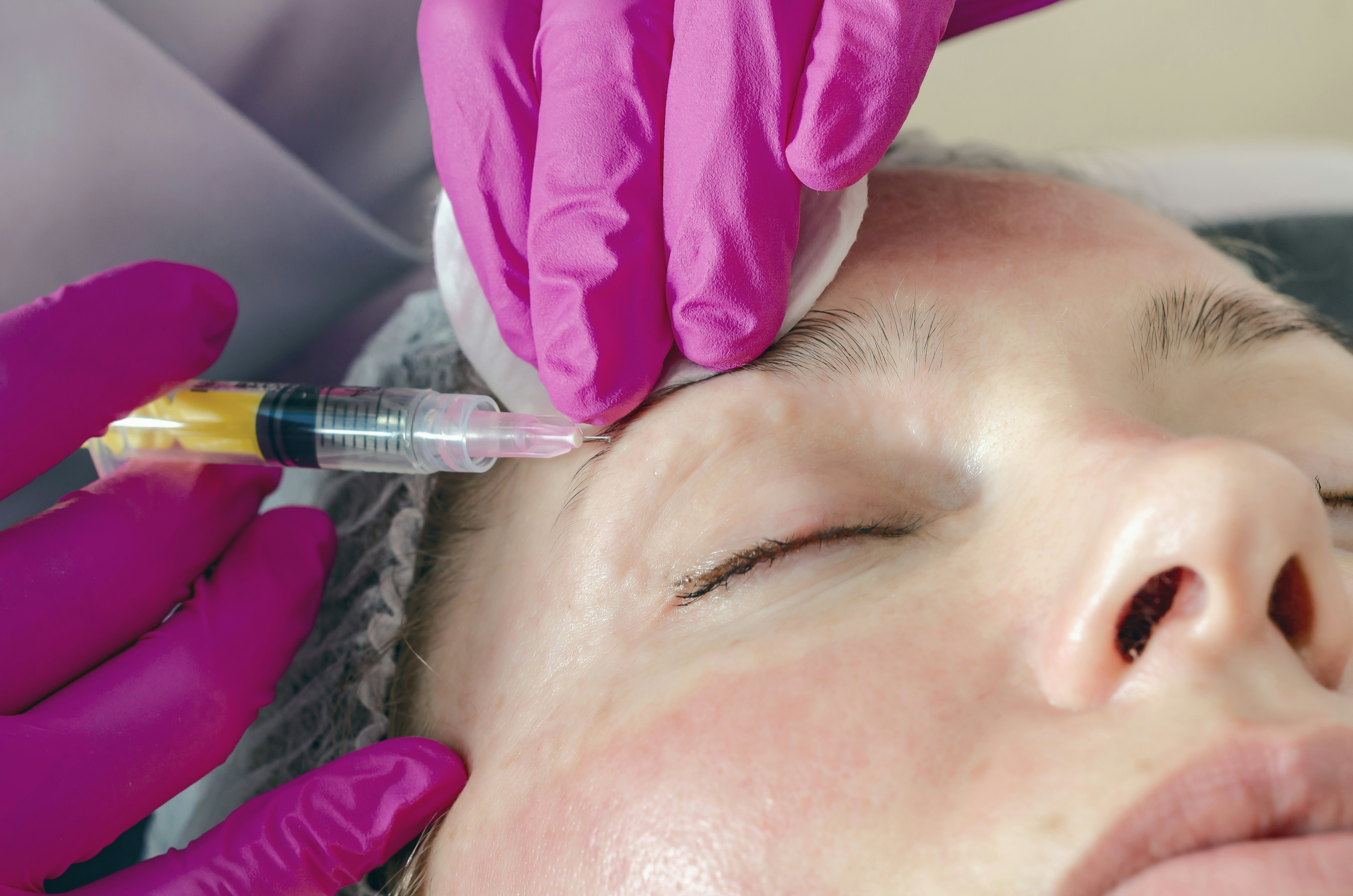
Medical microneedling is a procedure that uses multiple fine, sterile needles to create thousands of controlled microchannels in the skin.
Although these tiny punctures sound dramatic, they are carefully controlled and are designed to stimulate the skin’s natural repair process.
Rather than adding volume or relaxing muscles like injectable treatments, microneedling encourages the skin to regenerate itself.
Over the weeks following treatment, the skin produces new collagen and elastin—the proteins responsible for firmness, strength and elasticity.
The result is gradual improvement in skin quality rather than an immediate transformation.
This is one of the reasons I enjoy performing microneedling. The improvements tend to look natural because they come from your own skin remodelling itself.
How does microneedling work?
Whenever the skin is injured, even in a very controlled way, the body immediately starts repairing it.
Microneedling takes advantage of this natural process.
The tiny controlled injuries trigger a wound-healing cascade. Growth factors are released, inflammation is carefully regulated and specialised cells called fibroblasts become more active. These cells are responsible for producing collagen and elastin.
Over the following weeks and months, this newly formed collagen gradually remodels the skin.
This is why patients rarely see their final result after just a few days.
Most improvements develop progressively over several weeks, with collagen production continuing for several months after treatment.
What can microneedling improve?
Microneedling is primarily a skin quality treatment.
Depending on your individual concerns, it may help improve:
Fine lines
Uneven skin texture
Enlarged pores
Acne scars
Certain surgical scars
Overall skin firmness
Skin radiance
On the scalp, microneedling may also be used alongside other treatments for certain types of hair loss.
Like most treatments in aesthetic medicine, results vary from person to person and often require more than one session.
What microneedling doesn’t do
This is probably the part that receives the least attention online.
Microneedling cannot replace treatments designed for different concerns.
For example, it won’t replace lost facial volume, significantly tighten advanced skin laxity or relax the muscles responsible for expression lines.
Sometimes patients book microneedling when the concern they’re trying to treat would actually respond better to anti-wrinkle injections, dermal fillers or another treatment altogether.
This is why a consultation matters.
Is one treatment enough?
Usually not.
Although many people notice brighter, smoother skin after a single session, collagen remodelling is a gradual process.
For concerns such as acne scarring or significant textural change, a course of treatments generally produces better results than a single session.
The exact number depends on your skin, your goals and the concern being treated.
Rather than following a standard package, I prefer to review progress throughout treatment and adapt the plan accordingly.
Microneedling alone or combined with skin boosters?
One of the questions I’m asked most often is whether microneedling should be performed on its own or combined with another product.
Microneedling is an effective treatment in its own right.
However, depending on the treatment goals, it may also be combined with carefully selected products applied during the procedure.
These may include sterile hyaluronic acid, skin boosters, polynucleotides, PRP or other regenerative products.
The aim isn’t simply to apply more products to the skin. Instead, the goal is to select products that may complement the skin’s natural healing response while keeping expectations realistic.
Not every product marketed for microneedling has the same level of scientific evidence.
Rather than automatically combining treatments, I choose products based on the patient’s skin concerns, treatment goals and the evidence available.
Sometimes microneedling alone is entirely appropriate.
At-home microneedling vs medical microneedling
Home microneedling devices have become increasingly popular and are widely available online. Although both treatments use tiny needles, they are not designed or regulated in the same way.
Home rollers and cosmetic pens generally use shorter needles intended for superficial cosmetic use.
In my clinic, I use a CE-marked medical device specifically approved for medical microneedling. Medical devices intended for medical purposes are regulated under the Medical Device Regulation (MDR) and must demonstrate both safety and performance for their intended use.
This differs from cosmetic devices, which may also carry a CE mark but are not necessarily certified as medical devices for clinical microneedling.
For me, choosing a medical device is about more than compliance. It gives me confidence that the equipment has been developed and evaluated for medical use, with manufacturer support, quality controls and full traceability.
That said, the device is only one part of the treatment. A good outcome also depends on the practitioner’s training, clinical judgement, appropriate needle depth, careful patient selection and good aftercare.
If you’re considering microneedling elsewhere, don’t hesitate to ask:
What device do you use?
Is it a medical device approved for medical microneedling?
How do you decide on the needle depth?
Why have you chosen that particular device?
These are entirely reasonable questions, and a good practitioner should be happy to answer them.
Does microneedling hurt?
Most patients describe the treatment as uncomfortable rather than painful.
A topical anaesthetic cream can be applied on demand if required although this is not highly recommended.
Some areas, particularly around the forehead or upper lip, tend to be slightly more sensitive than others.
What should I expect afterwards?
Immediately after treatment, the skin usually appears red and feels warm, similar to moderate sunburn.
For most people, this settles within 24 to 48 hours.
Mild dryness, tightness or flaking can occur during the first few days as the skin heals.
Following the aftercare advice is just as important as the treatment itself. Gentle skincare, good sun protection and allowing the skin time to recover all contribute to the final result.
Who may not be suitable?
Medical microneedling is not appropriate for everyone.
Treatment may need to be postponed or avoided if you have:
An active skin infection
An active herpes simplex outbreak
Certain inflammatory skin conditions during a flare
Open wounds in the treatment area
Certain medical conditions that affect wound healing
A consultation helps determine whether microneedling is the most appropriate option or whether another treatment would achieve a better outcome.
My approach
One of the reasons I enjoy performing microneedling is that it fits my overall philosophy of aesthetic medicine.
Rather than changing the way someone looks, it focuses on improving the quality and health of the skin itself.
That doesn’t mean it’s always the right treatment.
Sometimes the most appropriate recommendation is a different procedure—or occasionally no treatment at all.
Good aesthetic medicine isn’t about doing more.
It’s about understanding the concern, choosing the right treatment and aiming for results that look natural rather than obvious.
Frequently asked questions
Can microneedling thin the skin?
No. When performed appropriately, microneedling aims to stimulate collagen production rather than thin the skin.
Can I wear makeup afterwards?
Most patients are advised to avoid makeup for around 24 hours to allow the skin to recover.
How long do the results last?
Results vary depending on your skin, the concern being treated and your skincare routine. Maintenance treatments may be recommended.
Can darker skin tones have microneedling?
Yes, in many cases. One advantage of microneedling is that, when performed appropriately, it can be suitable for a wide range of skin tones. Treatment should always be tailored to the individual.

ABOUT THE AUTHOR
Elise Bernard
Registered Nurse Prescriber
French Care London focuses on evidence-based aesthetic medicine, natural-looking results and honest patient education, helping patients make calm, informed decisions about treatment.
BEGIN WITH A CONSULTATION
If you’d like personalised advice rather than searching online, book a consultation and we’ll discuss the most appropriate options for you.
