Injectable skin rejuvenation
By Elise Bernard, Registered Nurse Prescriber
11/11/2026
5 min read

Key takeaways
- Sculptra stimulates your own collagen. Results develop gradually over weeks and months. - It may suit adults who’ve lost fullness across a wider area of the face, including after weight loss. - Modern preparation and injection techniques help reduce the risk of lumps. Follow your practitioner’s aftercare instructions, including massage if advised.
What is Sculptra?
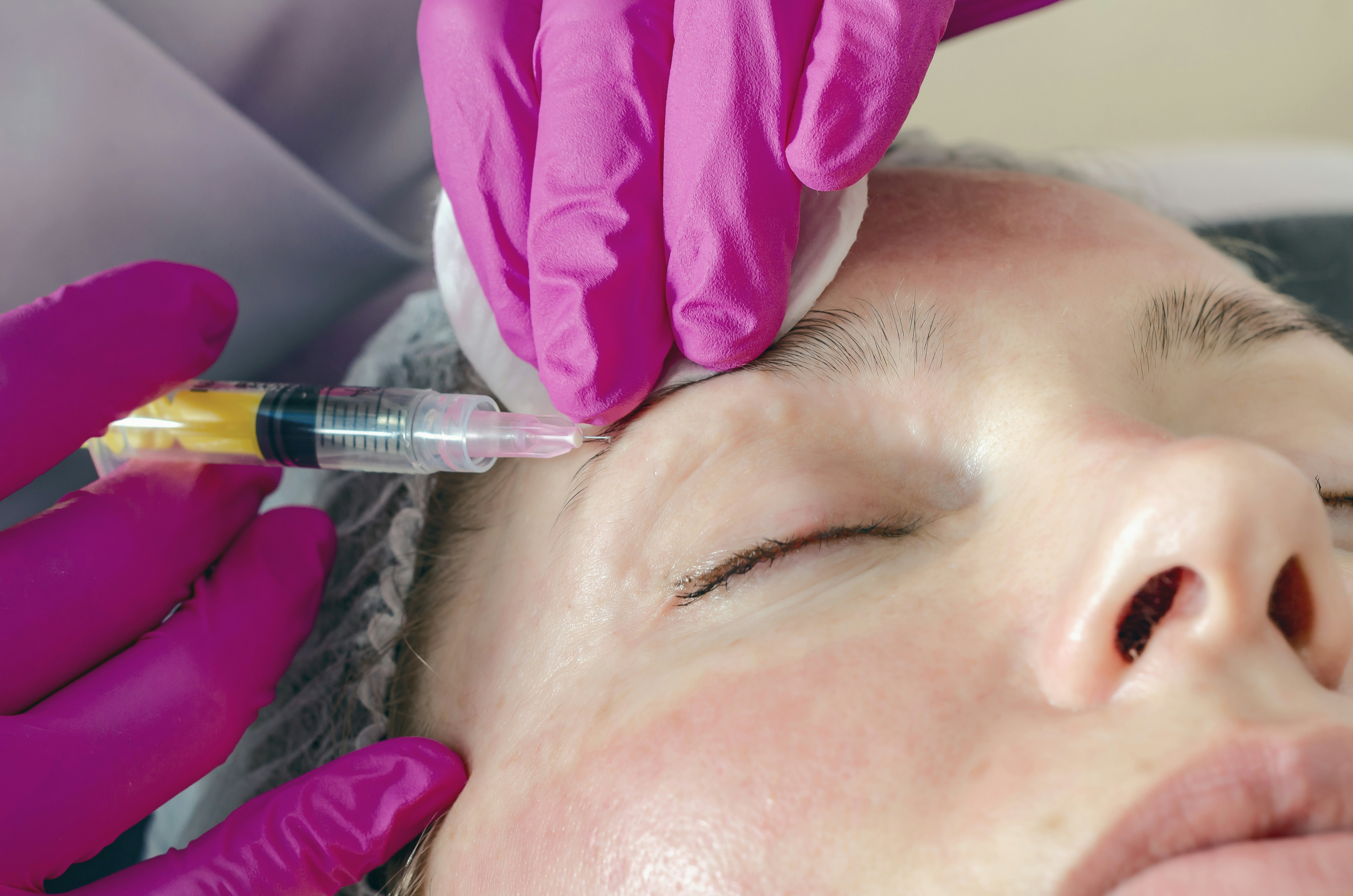
Sculptra is an injectable treatment made with poly-L-lactic acid, often shortened to PLLA. It’s known as a collagen biostimulator because it encourages your body to produce more collagen in the treated area. Collagen is one of the proteins that gives skin its structure.
As that response develops, treated areas can gradually regain some fullness and facial contours may soften. You might look a little fuller straight after treatment because of the liquid used to prepare Sculptra and some temporary swelling. That early fullness settles. The result we assess at follow-up develops over the following weeks and months.
Who might benefit from Sculptra?
I consider Sculptra for adults who’ve noticed a loss of fullness across a wider area, such as the cheeks, and would like a subtle change that builds over time.
At your consultation, I look at what’s causing the change you see in the mirror. Loss of volume, loose skin and changes in skin texture can all affect how the face looks. If loose skin is your main concern, the improvement you can expect from Sculptra may be limited. If you’re looking to enhance your lips or treat the area directly under your eyes, we’d discuss other options.
I’ll also ask about previous injectables or implants, allergies, problems with scarring, and any medicines or health conditions that could affect your suitability.
Facial volume loss after weight loss
You may have heard the terms “Mounjaro face” or “Ozempic face”. These are informal names for changes some people notice after weight loss, such as flatter cheeks, more hollow temples or looser skin. These changes can happen after substantial or rapid weight loss, including weight loss with GLP-1–based medicines.
When loss of fullness is the main concern, Sculptra may help soften the appearance of hollow areas over time by stimulating your own collagen. Research specifically after medication-assisted weight loss is still limited. At your consultation, I’d look at which areas have changed, whether your weight is still changing and how much of what you’re seeing comes from volume loss or loose skin.
How is PLLA used in the NHS?
Poly-L-lactic acid also has a medical use in the NHS. The Pan-London Facial Lipoatrophy Service at Chelsea and Westminster Hospital uses an injectable PLLA product called New-Fill® for eligible people living with HIV who have moderate to severe facial lipoatrophy.
Facial lipoatrophy means loss of fat beneath the skin of the face, which can leave areas such as the cheeks or temples looking sunken. It has been particularly associated with some older HIV medicines. New-Fill contains the same collagen-stimulating material as Sculptra. The NHS service accepts referrals from London HIV clinics for people who meet its criteria. Pan-London Facial Lipoatrophy Service
How is Sculptra different from hyaluronic acid filler?
Hyaluronic acid filler adds volume immediately and can be useful when you want to shape a specific feature, such as the chin. With Sculptra, the lasting effect builds gradually as your body produces collagen. That can suit someone looking to address a broader change in facial fullness.
Reversibility is worth discussing before choosing either treatment. Hyaluronidase can break down hyaluronic acid filler. Sculptra can’t be dissolved with hyaluronidase.
Can Sculptra cause lumps?
If you’ve read stories about lumps after Sculptra, it’s understandable to feel hesitant. Some of those reports date back to earlier protocols that used a more concentrated preparation. The way Sculptra is prepared and injected has evolved since then.
Today, careful dilution, appropriate injection depth and attention to how much product is placed in each area help reduce the risk of small lumps under the skin, called nodules. If your practitioner recommends massage as part of your aftercare, they’ll show you how to do it to help distribute the product evenly.
Nodules can still appear weeks or months later. If you notice a new lump after the initial swelling has settled, contact your treating clinic so they can assess it. If the area becomes red, warm or increasingly painful, seek prompt advice.
How many sessions will I need?
Sculptra is often given as a course, with sessions spaced several weeks apart. The number depends on the areas being treated, your starting point and how you respond. I prefer to give the result time to develop and review it with you before deciding whether another session would add anything.
What should I expect after treatment?
You may have some swelling, bruising or tenderness around the injection sites. Your practitioner will explain what to expect, how to follow your aftercare instructions and who to contact if you have a concern.
As with other facial injectables, infection and blockage of a blood vessel are possible complications. Seek immediate assessment if you develop unusual or severe pain, or if the skin becomes pale or mottled. Any sudden change in vision after treatment is a medical emergency.
Is Sculptra right for you?
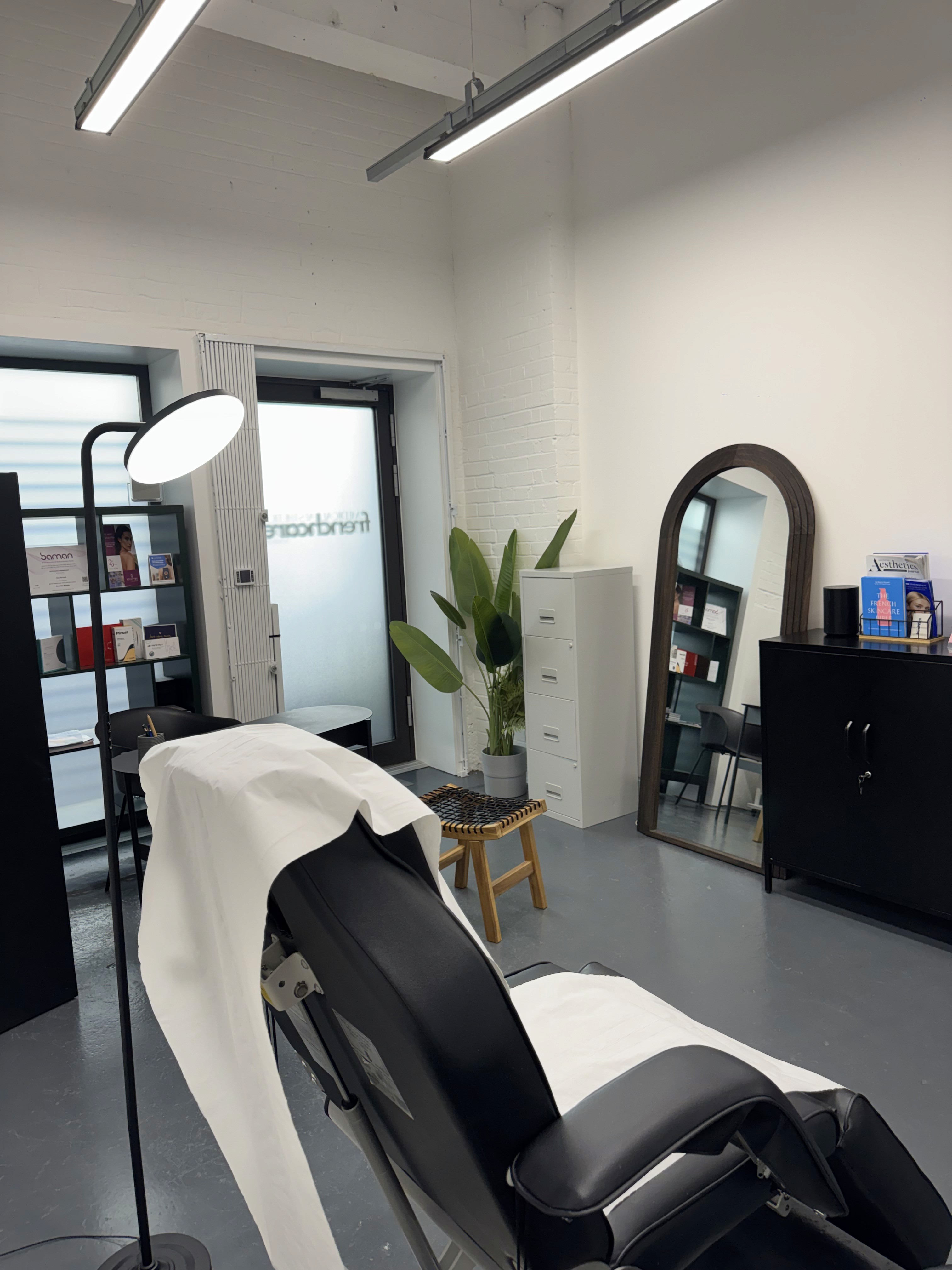
At French Care London, I start by asking what you’ve noticed and what you’d like to change. If Sculptra suits your goals, we’ll talk through the areas I’d consider treating, what a realistic result might look like and when we’d review it.
Frequently asked questions
How soon will I see results from Sculptra?
Some people notice a subtle change after about a month. Results build gradually over the following months as your body produces more collagen. Any extra fullness you see straight after treatment usually settles within a few days.
How long does Sculptra last?
In clinical studies, some people still had visible results around two years after treatment. How long your results last varies with the area treated and how your body responds.
Does Sculptra hurt?
You may feel a brief sting or some pressure during the injections. Your practitioner can discuss options to make treatment more comfortable. The treated areas may feel tender for a few days afterwards.
Is there any downtime after Sculptra?
You may have some swelling, redness or bruising for a few days. If you have an important event coming up, allow some time for these to settle. Your practitioner will explain when you can return to your usual activities and how to care for the treated areas.

ABOUT THE AUTHOR
Elise Bernard
Registered Nurse Prescriber
French Care London focuses on evidence-based aesthetic medicine, natural-looking results and honest patient education, helping patients make calm, informed decisions about treatment.

BEGIN WITH A CONSULTATION
If you’d like personalised advice rather than searching online, book a consultation and we’ll discuss the most appropriate options for you.
