Injectable skin rejuvenation
By Elise Bernard, Registered Nurse Prescriber
30/07/2026
9 min read

Key takeaways
- Polynucleotides improve skin quality rather than facial volume. - They support the skin’s natural repair processes. - Results develop gradually over several weeks. - Most people benefit from a course of treatments rather than a single session. - The treatment can be uncomfortable, but the injections are relatively quick. - They’re excellent for improving skin quality but are not a replacement for fillers, anti-wrinkle injections or surgery when those treatments are more appropriate.
What are polynucleotides?
Polynucleotides are purified chains of DNA fragments used to support skin regeneration.
In aesthetic medicine, they’re designed to improve the environment within the skin, encouraging healthier tissue rather than creating volume.
Think of them as improving the quality of the skin itself, rather than changing the shape of the face.
This is why polynucleotides are often described as a regenerative treatment.
How do they work?
Healthy skin is constantly repairing itself.
As we age, this natural repair process becomes less efficient. Collagen production slows, skin becomes thinner, elasticity decreases and healing takes longer.
Polynucleotides are thought to support this repair process by creating an environment that encourages healthier skin function. Research suggests they may stimulate fibroblasts—the cells responsible for producing collagen and elastin—while also improving hydration and helping the skin recover from inflammation and oxidative stress.
Rather than masking signs of ageing, the aim is to improve the quality of the skin itself over time.
What concerns can polynucleotides help with?
They may be suitable for people looking to improve:
Skin texture
Fine lines
Skin elasticity
Hydration
Crepey skin
Under-eye skin quality
Sun-damaged skin
Neck and décolletage ageing
Hands
Acne scarring (as part of a broader treatment plan)
They can also be used as part of some scalp rejuvenation protocols alongside treatments such as PRP, although recommendations depend on the individual.
Which areas can be treated?
Polynucleotides are commonly used on:
Face
Under-eye area
Neck
Décolletage
Hands
Scalp
Different products may be designed for different treatment areas, so the most appropriate option depends on your individual assessment.
What happens during treatment?
Your appointment begins with a consultation to understand your concerns, examine your skin and discuss whether polynucleotides are the most appropriate option.
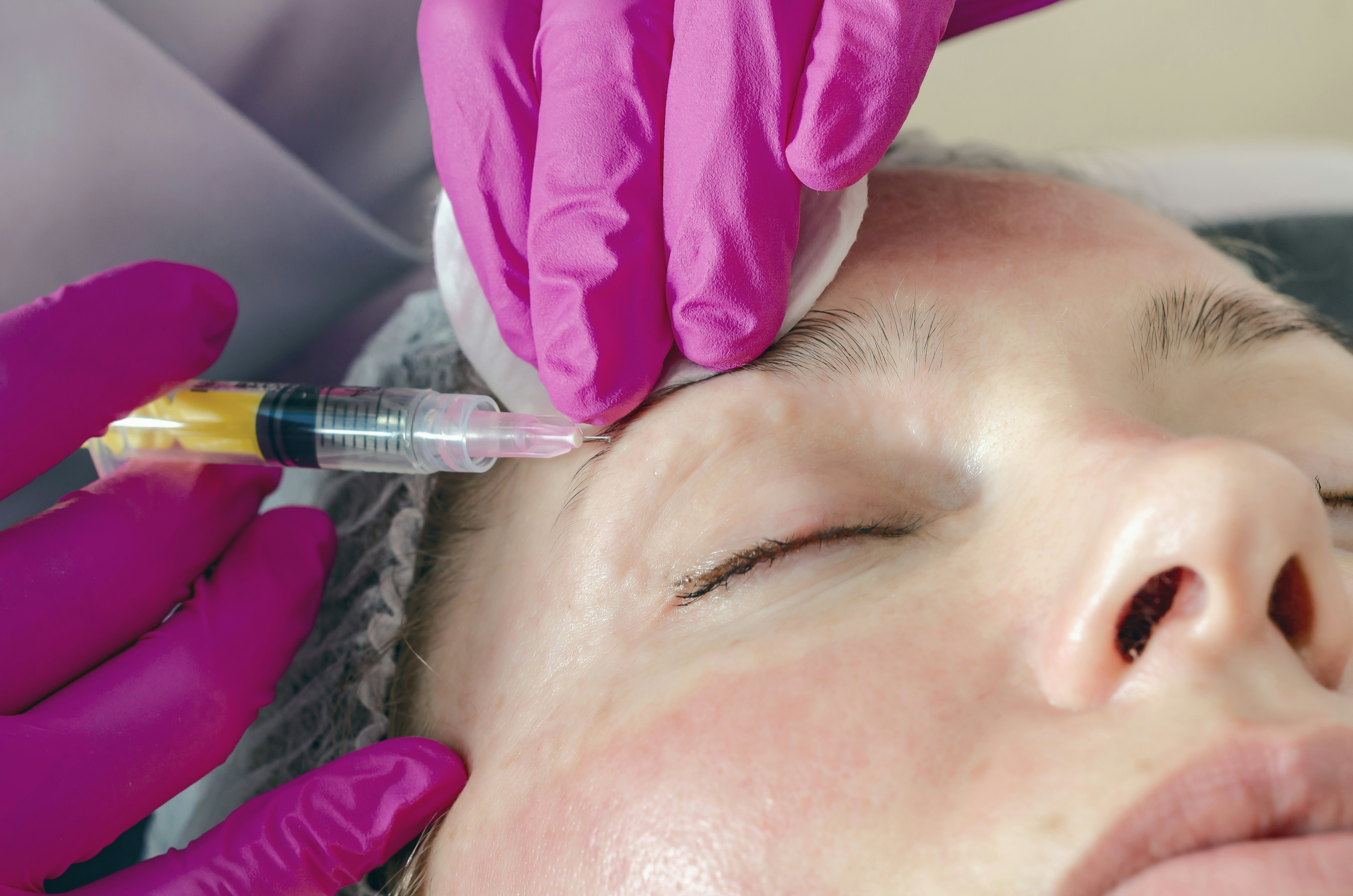
After cleansing the skin, the product is injected using a series of very small injections into the treatment area.
The procedure usually takes around 30 minutes, depending on the area being treated.
Does it hurt?
I’ll be honest: yes, it can.
Out of all the injectable aesthetic treatments I perform, polynucleotides are generally the treatment patients find the most uncomfortable.
The level of discomfort varies depending on the area being treated and your individual pain tolerance.
Interestingly, the under-eye treatment is often better tolerated than areas such as the cheeks or lower face, despite what many people expect.
The injections themselves are quick, and although the discomfort is temporary, I think it’s important to prepare patients honestly rather than pretending the treatment is painless.
If you’re concerned about discomfort, we can discuss options such as topical anaesthetic cream beforehand.
What should I expect afterwards?
Immediately after treatment you may notice:
Small raised bumps where the product has been injected
Mild redness
Mild swelling
Occasionally small bruises
These effects are temporary and usually settle over the following hours or days.
Most patients return to normal daily activities soon after treatment.
When will I see results?
Polynucleotides don’t produce an immediate transformation.
The skin gradually improves as the natural regenerative processes take place.
Many patients begin noticing changes after several weeks, with continued improvement throughout a treatment course.
The results are subtle rather than dramatic.
Most people simply notice that their skin looks healthier, smoother and more resilient.
How many treatments will I need?
The exact protocol depends on your skin, your goals and the product being used.
In general, most patients benefit from a course of two to four treatments, spaced several weeks apart.
Maintenance treatments may then be recommended depending on your goals and how your skin responds.
Your treatment plan should always be individualised rather than following a one-size-fits-all schedule.
How long do the results last?
This varies between individuals.
Factors such as age, skin condition, lifestyle, sun exposure and smoking all influence how long improvements are maintained.
Many patients choose periodic maintenance treatments to help preserve results.
What polynucleotides can’t do
One of the biggest misconceptions is that polynucleotides can replace every other aesthetic treatment.
They can’t.
For example, they won’t:
Replace lost facial volume
Lift sagging skin
Relax muscles that cause expression lines
Produce the same structural changes as dermal fillers
Replace surgery where surgery is the most appropriate option
This is why a consultation is so important.
Sometimes polynucleotides are exactly the right treatment.
Sometimes another treatment—or a combination of treatments—will produce a better outcome.
Are polynucleotides the same as skin boosters?
Not quite.
Both aim to improve skin quality, but they work differently.
Skin boosters primarily focus on improving hydration by delivering hyaluronic acid into the skin.
Polynucleotides focus on supporting the skin’s natural repair and regeneration processes.
Neither treatment is universally “better”. The right choice depends on your skin concerns, your goals and the clinical assessment.
I’ll cover this comparison in more detail in a separate article.
Are they safe?
When performed by a suitably qualified medical professional following an appropriate consultation, polynucleotide treatments have a well-established safety profile.
As with any injectable treatment, potential side effects include:
Temporary redness
Swelling
Bruising
Tenderness
Infection (rare)
Your medical history should always be reviewed before treatment to ensure the treatment is appropriate for you.
My approach
Polynucleotides are one of my favourite treatments for improving skin quality—but they’re not a miracle treatment.
They’re best suited to patients who understand that healthier skin develops gradually over time.
If someone is hoping for immediate lifting or volume restoration, another treatment may be more appropriate.
Rather than recommending the newest or most expensive treatment, I focus on choosing the treatment that’s most likely to help you achieve your goals.
Sometimes that’s polynucleotides.
Sometimes it isn’t.
The best treatment isn’t always the newest one.
Polynucleotides have an important place in aesthetic medicine, but they’re not the answer to every skin concern. During your consultation, we’ll discuss your goals and decide together whether polynucleotides are the most appropriate option—or whether another treatment, or no treatment at all, would better suit your needs.
FREQUENTLY ASKED QUESTIONS
Are polynucleotides the same as dermal fillers?
No. Dermal fillers restore volume or improve facial contours, whereas polynucleotides aim to improve the quality and health of the skin.
Are they the same as skin boosters?
No. Both improve skin quality, but they work through different mechanisms and are used for different clinical indications.
Can polynucleotides be combined with other treatments?
Yes. Depending on your individual treatment plan, they may be combined with treatments such as microneedling, anti-wrinkle injections, skin boosters or PRP.
Will I look different?
Most patients don’t look “different” in the way they might after a volumising treatment. Instead, the aim is for the skin to appear healthier, smoother and more radiant over time.
Are results permanent?
No. Like all aesthetic treatments, the effects gradually diminish over time, and maintenance treatments may be recommended if you wish to preserve the results.

ABOUT THE AUTHOR
Elise Bernard
Registered Nurse Prescriber
French Care London focuses on evidence-based aesthetic medicine, natural-looking results and honest patient education, helping patients make calm, informed decisions about treatment.

BEGIN WITH A CONSULTATION
If you’d like personalised advice rather than searching online, book a consultation and we’ll discuss the most appropriate options for you.
